
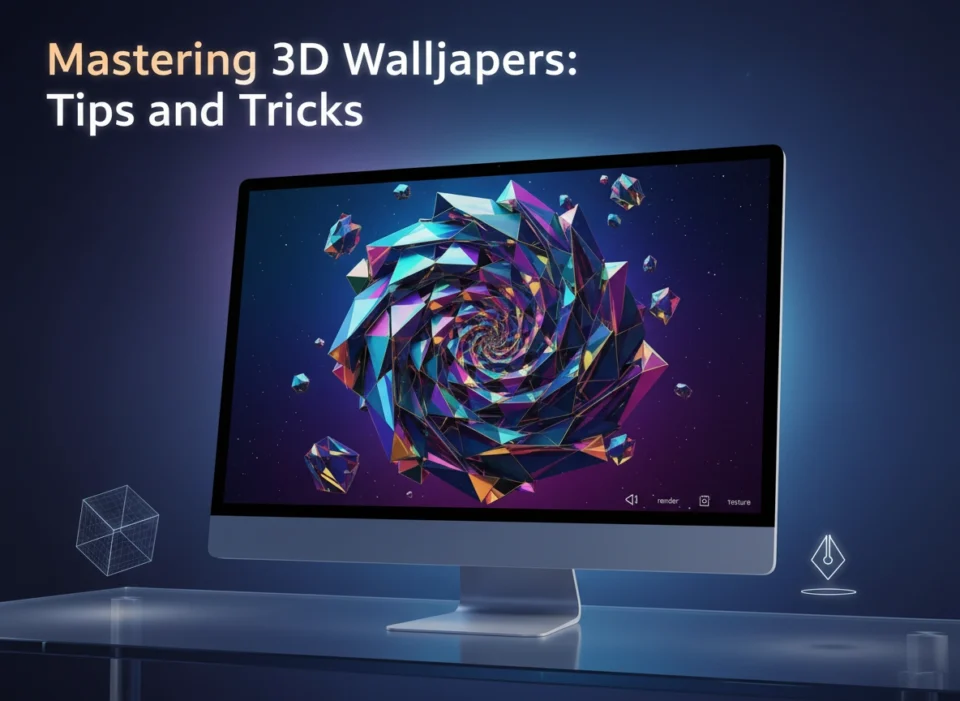
Interior design has the power to completely reshape our perception of a space. A simple room can become a sanctuary, a vibrant hub, or an elegant retreat with the right choices. Among the most impactful of these choices is the wall covering. While paint and traditional wallpaper have long been staples, a new contender has emerged to offer unparalleled depth and visual interest: 3D wallpaper. This innovative design element is more than just a pattern; it’s an experience, turning flat walls into dynamic, textured surfaces that can redefine a room’s entire atmosphere.
The growing popularity of 3D wallpapers is a testament to their transformative capabilities. From subtle textures that add a touch of sophistication to bold, optical illusions that create a stunning focal point, these wall coverings offer a unique way to personalize any space. This guide will walk you through everything you need to know to master the art of using 3D wallpapers. We will explore their benefits, provide tips for selecting the perfect design, offer tricks for a flawless installation, and share advice on how to maintain their beauty for years to come.
The Transformative Benefits of 3D Wallpaper
Why are so many designers and homeowners turning to 3D wallpapers? The answer lies in their unique ability to manipulate perception and enhance aesthetics in ways that traditional wall coverings cannot.
Creating Unmatched Depth and Dimension
The primary advantage of 3D wallpaper is its ability to create an illusion of depth. The designs use texture, shadow, and perspective to make walls appear as if they have three-dimensional qualities. This can make a small room feel more spacious and open. For example, a design featuring geometric patterns with recessed and protruding elements can trick the eye into seeing more space than is actually there. This added dimension turns a plain wall into a captivating feature, adding a layer of architectural interest without the need for costly structural changes.
Enhancing Aesthetics and Setting a Mood
3D wallpapers are powerful tools for setting a specific mood or theme. A pattern that mimics natural materials like stacked stone, rustic wood planks, or flowing water can bring an organic, calming feel to a living room or bedroom. Conversely, a bold, abstract, or futuristic design can inject energy and modernity into an office or entertainment area. The texture itself adds a tactile quality that enriches the sensory experience of the room, making it feel more luxurious and thoughtfully designed.
Transforming Spaces with a Focal Point
Every well-designed room needs a focal point, and a 3D wallpaper accent wall is an excellent way to create one. Instead of relying on a large piece of art or furniture, the wall itself becomes the centerpiece. This is particularly effective in spaces like entryways, behind a headboard in a bedroom, or on the main wall of a living room. The visual impact is immediate and dramatic, providing a “wow” factor that instantly elevates the interior design. It’s a bold statement that showcases personality and a keen eye for style.
How to Select the Right 3D Wallpaper
Choosing the perfect 3D wallpaper requires careful consideration of your space and design goals. With countless patterns, textures, and colors available, making the right choice is key to achieving your desired outcome.
Consider the Room’s Size and Scale
The scale of the 3D pattern should complement the size of the room. Large, bold patterns can overwhelm a small space, making it feel cluttered and even smaller. In compact rooms, opt for more subtle textures or smaller-scale geometric designs. These can add interest and depth without dominating the area. Conversely, a large, expansive wall in a spacious room can handle a grand, dramatic pattern, which might look underwhelming in a smaller setting.
Evaluate the Lighting
Lighting plays a crucial role in how 3D wallpaper appears. The interplay of light and shadow is what brings the three-dimensional effect to life. Before committing to a design, observe how natural and artificial light hits the wall you plan to cover throughout the day. A well-lit wall will accentuate the wallpaper’s texture and depth, while a poorly lit area might flatten the effect. Some wallpapers with metallic or glossy finishes can reflect light, helping to brighten a darker room. Always get a sample and tape it to the wall to see how it interacts with your specific lighting conditions.
Match the Wallpaper to Your Theme
Your 3D wallpaper should harmonize with the existing or planned theme of your room. Are you aiming for a minimalist, industrial, bohemian, or classic look?
- For an industrial theme: Consider patterns that mimic concrete, brick, or corrugated metal.
- For a natural or biophilic design: Look for wallpapers that emulate wood grain, stone, leaves, or wave patterns.
- For a modern or futuristic space: Sleek geometric shapes, abstract lines, and metallic sheens work wonderfully.
The wallpaper should feel like an integrated part of your design, not an afterthought. Ensure the colors and style of the wallpaper complement your furniture, flooring, and other decor elements.
Tricks for a Flawless Installation
A professional-looking installation is crucial for maximizing the impact of your 3D wallpaper. While the texture can be more forgiving of minor wall imperfections than flat wallpaper, proper preparation and technique are still essential.
Surface Preparation is Key
Start with a clean, dry, and smooth surface. Any dust, grease, or grime will prevent the adhesive from bonding properly.
- Clean the Wall: Wash the wall with a mild soap and water solution, then rinse and let it dry completely for at least 24 hours.
- Smooth the Surface: Fill any cracks or holes with spackle, then sand the patches until they are flush with the wall. Even though the wallpaper is textured, significant bumps or divots can show through.
- Apply a Primer: Using a wallpaper primer is highly recommended. A primer seals the wall, preventing the adhesive from being absorbed too quickly into the drywall. It also creates a uniform surface that makes it easier to slide the wallpaper into its final position and simplifies removal in the future.
Meticulous Alignment and Measurement
Accuracy is your best friend during installation.
- Measure Twice, Cut Once: Carefully measure the height and width of your wall. Add a few extra inches to the top and bottom of each wallpaper strip to allow for trimming.
- Create a Plumb Line: Never assume your walls or ceilings are perfectly straight. Use a level or a plumb bob to draw a straight vertical line to guide the placement of your first strip. This ensures your entire application remains level.
- Match the Pattern: Before cutting, lay your strips out on the floor to ensure the 3D pattern aligns correctly from one piece to the next. This is the most critical step for achieving a seamless, professional look.
Proper Adhesive Application
Follow the manufacturer’s instructions regarding the type of adhesive and application method. Some 3D wallpapers are “paste-the-wall,” while others require you to apply paste to the paper itself.
- Use the Right Adhesive: Purchase the specific type of wallpaper adhesive recommended for your product. Using the wrong kind can lead to peeling or damage.
- Apply Evenly: Use a paint roller or brush to apply a thin, even coat of paste. Avoid clumps, as they can create bumps under the wallpaper.
- Smooth and Remove Bubbles: Once a strip is on the wall, use a wallpaper smoother or a soft cloth to press it firmly into place. Work from the center outward to push out any air bubbles. Be gentle to avoid damaging the textured surface. Use a seam roller to press the edges down securely.
Long-Term Maintenance and Care
Once your stunning 3D wallpaper is installed, a little care will ensure it remains vibrant and beautiful for years.
- Regular Dusting: Textured surfaces can collect dust more than flat ones. Use a feather duster, a soft brush attachment on your vacuum cleaner, or a dry microfiber cloth to gently dust the wallpaper every few weeks.
- Spot Cleaning: For non-greasy stains or smudges, try using a simple pencil eraser first. If that doesn’t work, check the manufacturer’s cleaning instructions. Many modern 3D wallpapers are “scrubbable” or “washable.” Use a soft sponge lightly dampened with water and a drop of mild dish soap. Dab the spot gently—do not rub aggressively—and then pat it dry with a clean cloth.
- Avoid Harsh Chemicals: Never use abrasive cleaners, solvents, or harsh chemical sprays on your 3D wallpaper. These can discolor the pattern, damage the texture, and weaken the adhesive.
Embrace the Dimension
3D wallpapers offer a fantastic opportunity to infuse your home with personality, depth, and high-impact style. By understanding their benefits, you can appreciate how they can completely alter a room’s character. With careful selection based on your room’s size, lighting, and theme, you can choose a design that seamlessly integrates into your vision. And by following proper installation and maintenance techniques, you can ensure a flawless finish that lasts. Don’t be afraid to explore the world of 3D wallpapers—your walls are a blank canvas waiting to be transformed into a work of art.
Please click here for more info.
