
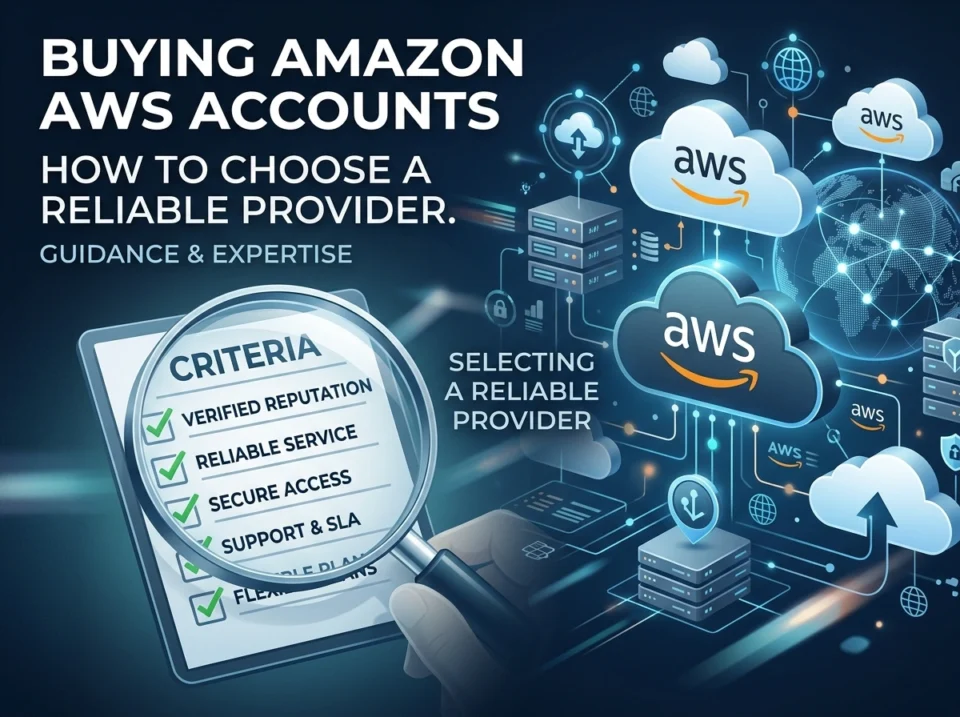
Cloud computing serves as the backbone of modern enterprise infrastructure, and Amazon Web Services (AWS) leads the industry with its massive array of tools. Establishing a new AWS environment is a standard procedure for most startups and established corporations. However, a growing secondary market has emerged for pre-established accounts. Purchasing an existing AWS account can offer distinct operational benefits, but it also introduces significant risks if not handled with absolute precision.
Navigating the market for cloud infrastructure requires a clear understanding of what you are purchasing and who you are purchasing it from. A poorly vetted provider can leave your business exposed to security vulnerabilities, unexpected suspensions, or financial loss. This guide will walk you through the entire process of evaluating providers, identifying warning signs, and securing your infrastructure once the transaction is complete. You will gain the insights necessary to make an informed, secure decision that aligns with your operational goals.
Why Businesses Consider Buying AWS Accounts
At first glance, creating a new AWS account seems like the most logical path. It is free, straightforward, and officially supported. Yet, many organizations choose to procure existing accounts for several strategic reasons. Understanding these motivations helps contextualize the market and identify what features bring the most value.
Immediate Access to Higher Limits
New AWS accounts often come with strict service quotas. Amazon implements these limits to prevent abuse and ensure capacity for all users. If a company needs to deploy a large-scale application quickly, waiting for limit increase approvals can disrupt project timelines. Aged accounts frequently feature pre-approved higher limits for critical services like EC2 instances, Simple Email Service (SES), and Lambda concurrency, allowing development teams to deploy immediately.
Pre-Applied Credits and Tiers
Some businesses seek out accounts that still hold promotional credits from startup programs or historical promotions. While transferring accounts with credits technically falls into a gray area of service terms, the financial incentive drives considerable demand. Additionally, aged accounts might have legacy billing structures or specific free-tier benefits that new registrations no longer receive.
Overcoming Geographic and Verification Barriers
Depending on the region, setting up a new cloud environment can involve complex identity verification processes. Companies operating internationally might require infrastructure linked to specific geographic data for compliance or latency reasons. Procuring a verified account saves administrative overhead and allows engineering teams to focus on deployment rather than paperwork.
Key Factors to Consider When Choosing a Provider
The provider you select dictates the security and longevity of your cloud infrastructure. Treating this decision with the same rigor as choosing a physical data center will protect your digital assets.
Reputation and Track Record
A vendor’s history within the industry serves as the most reliable indicator of future performance. Look for providers with a documented history of successful transactions. Independent forums, industry boards, and professional networks can offer unfiltered feedback on a vendor’s reliability. Avoid providers who operate exclusively through anonymous messaging apps without a public-facing website or verifiable footprint.
Transparency of Account History
You need to know exactly what the account was used for prior to purchase. Accounts with a history of spamming, cryptocurrency mining, or terms of service violations are highly susceptible to sudden termination by Amazon. A reputable provider will offer transparent logs, billing history, and assurances that the account is clean. They should be willing to prove the account’s age, the status of its service quotas, and the absence of outstanding balances.
Post-Sale Support and Warranties
The transaction does not end once the login credentials change hands. Reliable vendors provide a warranty period, ensuring the account remains active and functional after the transfer. They should offer technical support to help you secure the root email and transition the billing details without triggering automated fraud alerts on the AWS platform.
Red Flags to Watch Out For
While evaluating potential vendors, specific warning signs indicate a high probability of fraud or substandard account quality. Spotting these red flags early will save your organization from unnecessary liability.
Unrealistic Pricing Models
If a provider offers an aged AWS account with high SES limits and thousands of dollars in credits for a fraction of its market value, proceed with extreme caution. Scammers frequently use low prices to lure in buyers quickly. Quality accounts take time and resources to age and maintain, and legitimate vendors price their assets accordingly.
Resistance to Escrow or Secure Payments
Secure transactions require protections for both the buyer and the seller. A vendor demanding direct cryptocurrency transfers without the option of using a trusted escrow service is a major security risk. Reputable providers understand the need for secure payment gateways and will accommodate standard buyer protection protocols.
Lack of Root Access
An AWS account is practically useless—and highly dangerous—if you do not control the root user credentials. If a vendor offers to sell an account but insists on retaining control of the root email address, walk away immediately. Without the root email, the seller can recover the password at any time, locking your team out and potentially hijacking your deployed applications and data.
Ensuring Account Security and Legitimacy
Taking ownership of a purchased account is a delicate process. Amazon’s automated security systems actively monitor for sudden changes in account behavior, geographic access, and billing details. Taking a systematic approach secures the asset without triggering a suspension.
Securing the Root Email Address
The very first step upon receiving the account is securing the email address associated with the root login. Change the password to a strong, unique alphanumeric string. Update the recovery email and phone number to assets controlled exclusively by your organization. If the vendor provided the email inbox along with the AWS account, thoroughly audit the email account’s security settings to ensure no forwarding rules or secondary recovery options remain in place.
Implementing Multi-Factor Authentication (MFA)
Before exploring the AWS Management Console, enable Multi-Factor Authentication on the root account. Use a hardware token or a secure authenticator app managed by your IT department. MFA provides a critical layer of defense, ensuring that even if the password is compromised, unauthorized users cannot access the infrastructure.
Updating Billing Information Cautiously
Changing the credit card on file immediately after logging in from a new IP address often triggers Amazon’s fraud detection algorithms. Wait a few days, familiarize the account with your team’s typical IP addresses, and then slowly update the billing information. It is often safer to add a new payment method, wait for verification, and then delete the old one rather than attempting a simultaneous swap.
Best Practices for Managing Purchased Accounts
Once the account is secure and under your complete control, proper management practices will ensure its long-term viability and protect your ongoing projects.
Rely on IAM Users, Not Root Access
The root account should be locked away and used only for absolute necessities, such as changing support plans or modifying payment methods. Create specific Identity and Access Management (IAM) users for your developers and administrators. Assign these users the principle of least privilege, granting them only the permissions necessary to perform their specific roles.
Audit Security Groups and Existing Infrastructure
Conduct a comprehensive audit of the entire account before deploying proprietary code. Check all regions for running EC2 instances, hidden S3 buckets, or lingering IAM roles left behind by the previous owner. Review all Security Groups and Network Access Control Lists (NACLs) to ensure no unauthorized inbound traffic rules exist.
Monitor Usage and Billing Alarms
Implement strict billing alarms using AWS Budgets and CloudWatch. If an unauthorized user manages to gain access, their first action is often spinning up expensive resources for cryptocurrency mining. A billing alarm configured to alert your team of sudden spending spikes can stop an intrusion before it causes severe financial damage.
Establishing a Secure Cloud Foundation
Procuring an established AWS account can accelerate deployment timelines and unlock necessary service quotas, but it requires careful vendor selection and stringent security protocols. By thoroughly vetting providers, recognizing common red flags, and immediately locking down the root access credentials, you can safely integrate a purchased account into your operational workflow.
Take the time to audit every layer of the newly acquired infrastructure. Establish IAM roles, configure your billing alerts, and maintain a vigilant watch over the account’s activity logs during the first few months of ownership. A methodical approach to cloud procurement ensures your digital foundation remains robust, secure, and ready to scale with your business needs.
Please visit website for more info.
