
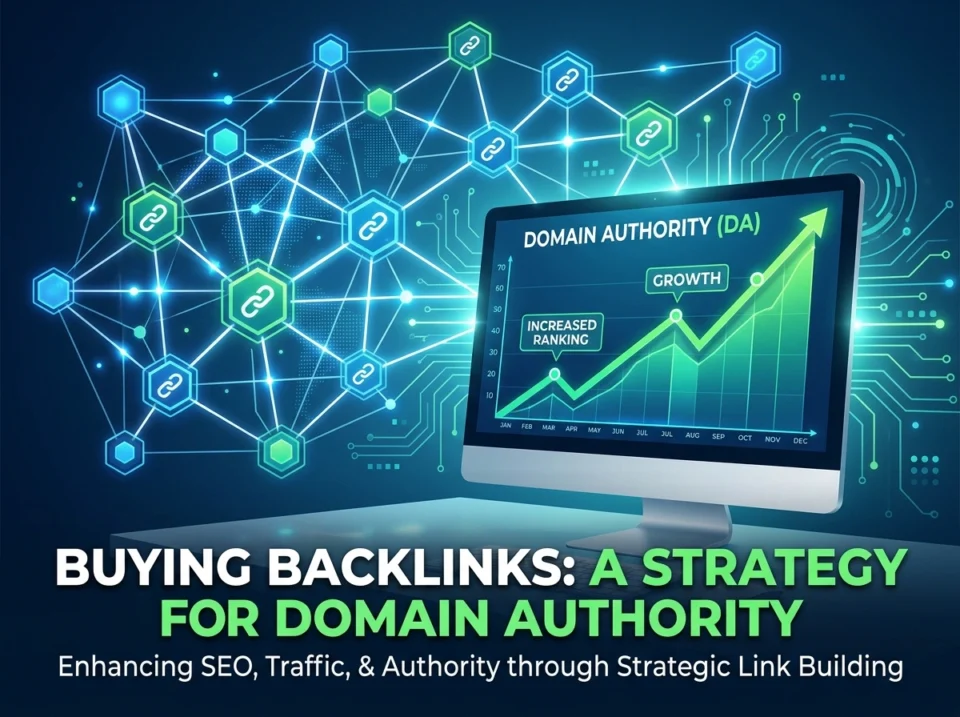
Search engine optimization requires a multifaceted approach. One of the most critical elements in any successful campaign is link building. When other websites point to your content, search engines interpret these links as votes of confidence. These votes help determine where your pages rank for relevant search queries.
However, earning these links organically takes an immense amount of time and resources. Content creation, manual outreach, and relationship building demand constant attention. Because of this, many marketers look for more efficient ways to scale their efforts. They want to acquire high-quality placements without waiting months or years for natural accumulation.
This is where a deliberate, carefully planned strategy comes into play. By focusing on relevance and authority, you can acquire links that genuinely move the needle. This article explores the mechanics of link building, the difference between good and bad placements, and how to execute a safe procurement strategy that yields long-term results.
Introduction to Domain Authority and Backlinks
Domain Authority is a metric developed by software companies to predict how well a website will rank on search engine result pages. While it is not an official Google metric, it closely mirrors the factors search algorithms evaluate. A higher score generally correlates with greater visibility and more organic traffic.
Backlinks are the foundation of this metric. A backlink is simply a hyperlink from one website to another. Search engines view these connections as endorsements. If a highly reputable site links to your page, some of that reputation passes to your domain. This transfer of authority is often referred to as “link juice.”
To increase your overall authority, you need a steady stream of these endorsements. A strong link profile consists of links from various domains, preferably those with established credibility in your specific industry. The more high-quality domains point to your website, the stronger your overall authority becomes.
Understanding the Strategy of Buying Backlinks
Acquiring links organically is the ideal scenario, but it is highly unpredictable. You can spend thousands of dollars on a piece of content and still receive zero links if your distribution falls flat. To gain more control over their growth, agencies and business owners often buy backlinks to guarantee placements on relevant websites.
Purchasing links shifts the dynamic from hoping for endorsements to actively securing them. A structured campaign allows you to identify specific target URLs, choose preferred anchor texts, and dictate the pace of acquisition. You eliminate the guesswork associated with traditional outreach.
Many SEO professionals use dedicated agencies to handle this process. Reputable agencies have existing relationships with webmasters and a proven outreach infrastructure. They secure contextual placements on real websites with genuine organic traffic. This done-for-you execution saves businesses countless hours of prospecting, negotiation, and content creation.
How Backlinks Impact Search Engine Rankings
Search algorithms rely heavily on links to discover new pages and determine their value. When Google’s bots crawl the web, they follow links from one page to another. If they find a high volume of links pointing to a specific article, they index that page more frequently and rank it higher for relevant terms.
A backlink acts as a bridge. The quality of the bridge matters just as much as its existence. A link from a major news publication carries significantly more weight than a link from a newly created blog. Search engines evaluate the trustworthiness of the linking domain before assigning value to the link itself.
Furthermore, the context surrounding the link plays a major role. Search engines analyze the surrounding text to understand what your page is about. If your software company receives a link from a technology blog, the topical relevance amplifies the SEO impact. This alignment signals to algorithms that your content is highly relevant to specific industry queries.
Identifying High-Quality vs. Low-Quality Backlinks
Not all links provide the same value. In fact, acquiring the wrong types of links can actively harm your website. It is crucial to distinguish between high-quality placements that drive growth and low-quality links that trigger algorithmic penalties.
The Hallmarks of High-Quality Links
High-quality backlinks share several distinct characteristics. First, they originate from websites with strong Domain Ratings. These sites have a history of publishing good content and earning their own reputable links.
Second, the linking site should generate genuine organic traffic. A site might boast high metrics, but if no actual humans visit it, the value of the link diminishes rapidly. Third, the link must be contextually relevant. The topic of the linking page should align naturally with the topic of your target page.
Recognizing Toxic Links
Low-quality links often stem from manipulative tactics. Private Blog Networks (PBNs) are groups of sites created solely to sell links. They offer very little value to actual readers. Search engines are highly adept at identifying and penalizing these networks.
Link farms operate similarly, churning out massive volumes of low-quality articles stuffed with outbound links. You should also avoid links from foreign language sites that have no connection to your target audience, as well as links hidden in footers or sidebars. A safe strategy prioritizes links placed naturally within the body of a well-written article.
Strategic Approaches to Purchasing Links
A successful link building campaign requires careful planning. Haphazardly throwing money at random links will yield poor results. You must align your purchases with a broader SEO strategy.
Setting Clear Campaign Goals
Determine exactly what you want to achieve before spending any money. Are you trying to boost the rankings of a specific product page? Do you want to increase your overall Domain Authority? Defining these goals dictates the types of links you should target. Commercial pages often require higher-authority links to compete, while informational blog posts might rank with a higher volume of mid-tier links.
Managing Anchor Text Diversity
Anchor text is the clickable word or phrase that houses the link. Over-optimizing this text is a common mistake. If every link pointing to your shoe store uses the exact phrase “buy running shoes,” search engines will view your profile as unnatural.
A healthy strategy uses a diverse mix of anchor texts. This includes exact match keywords, partial match phrases, branded terms (like your company name), and generic terms (like “click here” or “read more”). A natural link profile looks randomized because organic linking behavior is inherently inconsistent.
Risks and Best Practices for Link Building
Any tactic designed to manipulate search rankings carries inherent risk. Google strictly forbids the buying and selling of links that pass PageRank. However, the practice remains widespread because, when executed correctly, it looks indistinguishable from organic outreach.
The primary risk is a manual action or algorithmic penalty. If a search engine determines your links are manipulative, they may de-index your site completely. To mitigate this risk, you must prioritize quality over quantity.
Work only with providers who use transparent, white-hat outreach methods. Ensure you have the ability to review the domains before the links go live. A reputable agency will guarantee placements on real sites and often provide a money-back guarantee if the agreed-upon metrics are not met. Always verify that the linking sites have solid index rates and strong organic traffic profiles.
Long-term Impact on Domain Authority
Consistent link building yields compounding returns. As your Domain Authority increases, every new piece of content you publish will rank faster and higher. You will no longer need to fight for basic visibility.
A strong link profile creates a moat around your business. Competitors will find it increasingly difficult to outrank you because they must replicate years of accumulated authority. Furthermore, high-quality links placed on relevant sites can drive direct referral traffic, bringing highly qualified leads straight to your business.
Over a period of months and years, a strategic approach to link acquisition transforms your website into an industry resource. Search engines will view you as an entity of trust, rewarding you with stable, predictable organic traffic growth.
Next Steps for Your Link Building Strategy
Building a robust domain requires patience, investment, and a strict adherence to quality. Taking shortcuts with cheap, toxic links will inevitably compromise your organic presence.
Start by auditing your current link profile. Identify your most valuable pages and determine where you are currently losing ground to competitors. Develop a budget specifically for link acquisition, and thoroughly vet any agency or service provider you plan to use. Prioritize contextual relevance and domain health above all else. By treating link building as a long-term strategic investment, you position your website for sustainable, reliable growth in search engine results.
